If you’ve ever switched your camera to M, taken a photo, and instantly switched back to Auto… you’re not alone.
Manual mode feels intimidating because most people try to learn everything at once. That’s the mistake.
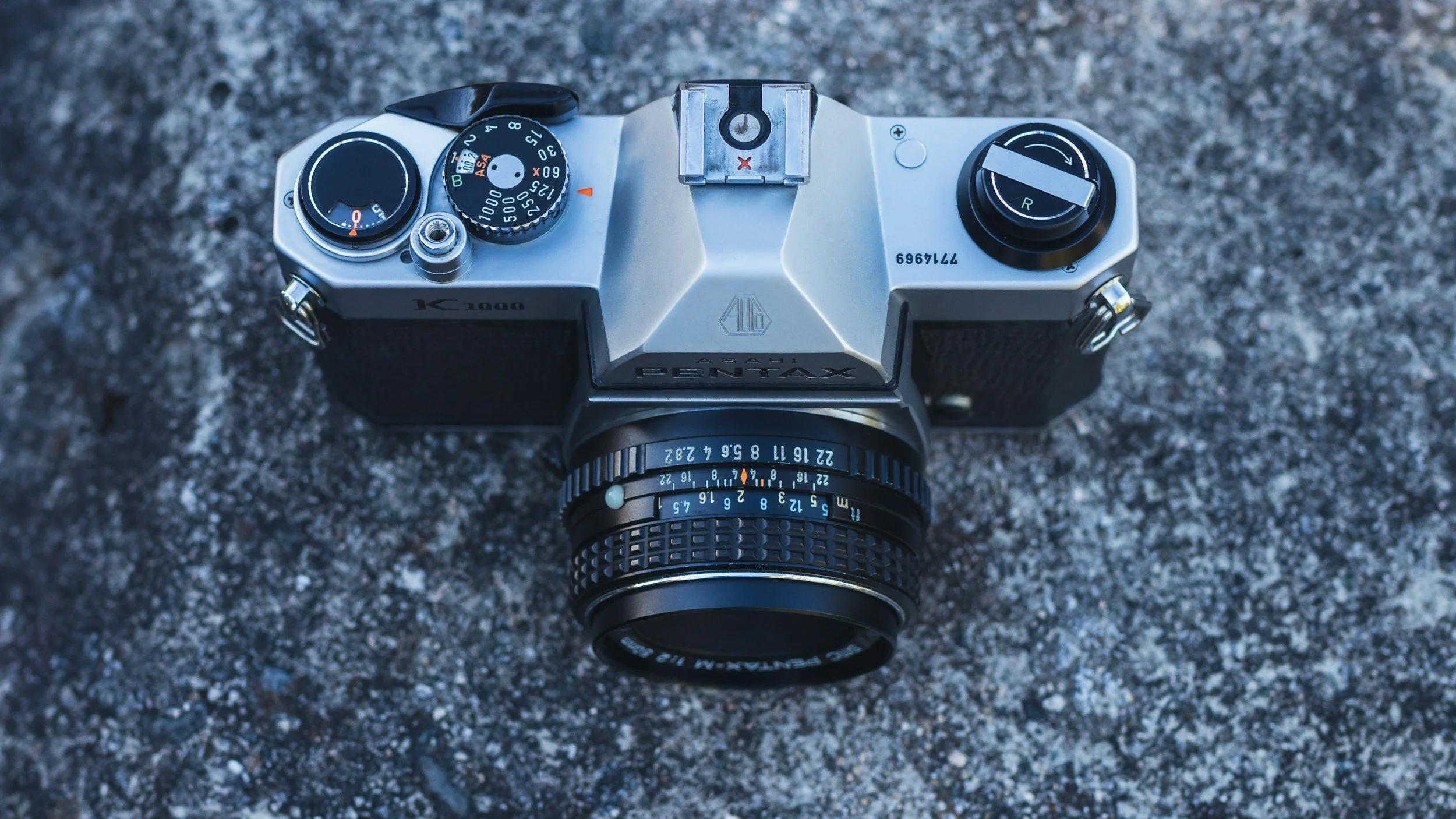
Here’s the simplest way to understand manual mode — properly — without feeling overwhelmed.
Step 1: Forget the Exposure Triangle (for now)
Most beginners start with the triangle, and it’s the worst place to begin. You don’t need a triangle. You need clarity.
Manual mode is just three decisions:
How bright or dark you want the image
How blurry or sharp you want the background
How frozen or blurry you want movement
That’s it. Everything else hangs off those three decisions.
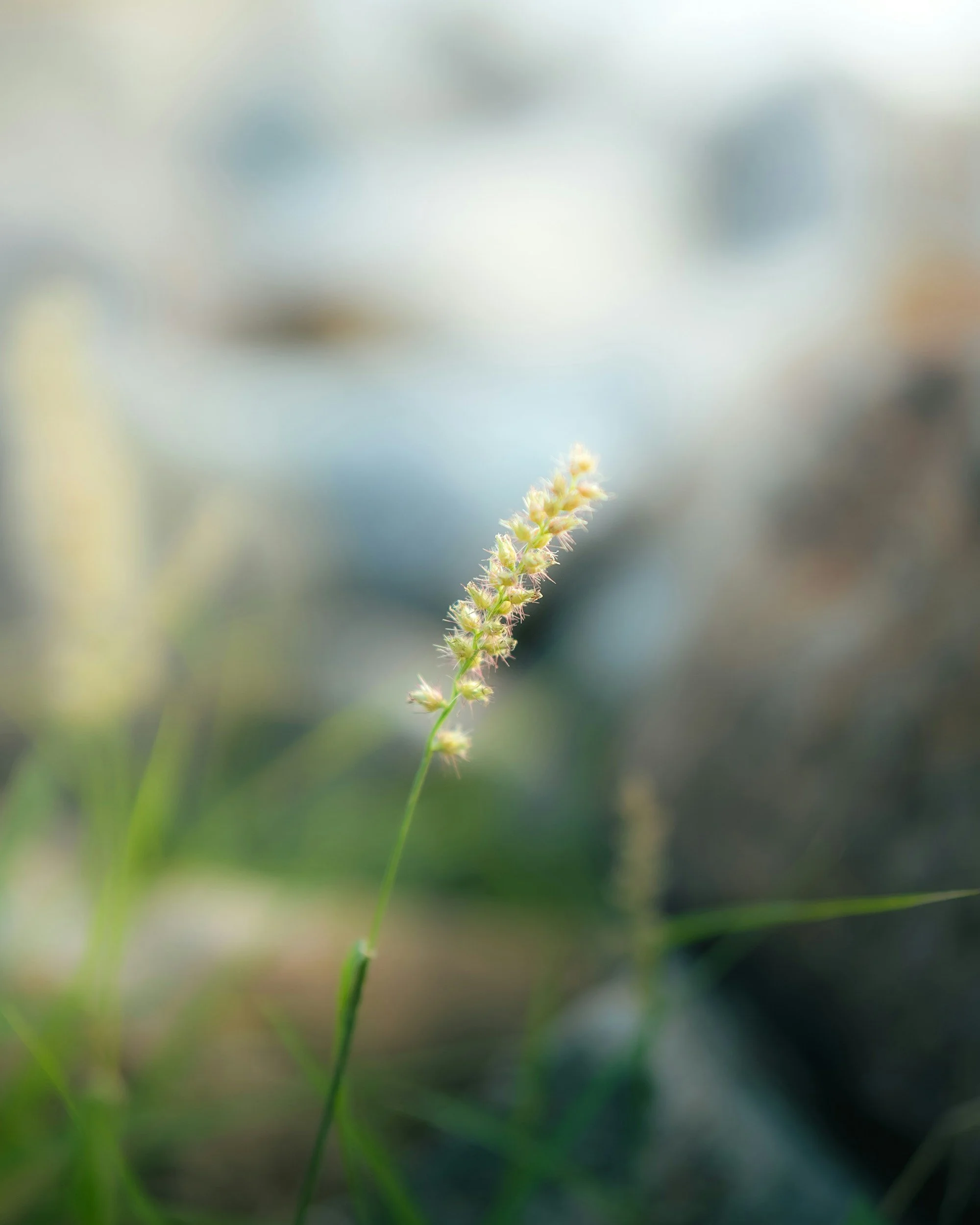
Step 2: Aperture = Background Blur
If you want a blurry background → choose a small f-number (f/1.8–f/4).
If you want everything sharp → choose a bigger number (f/8–f/16).
That one choice controls the entire look of your photo.
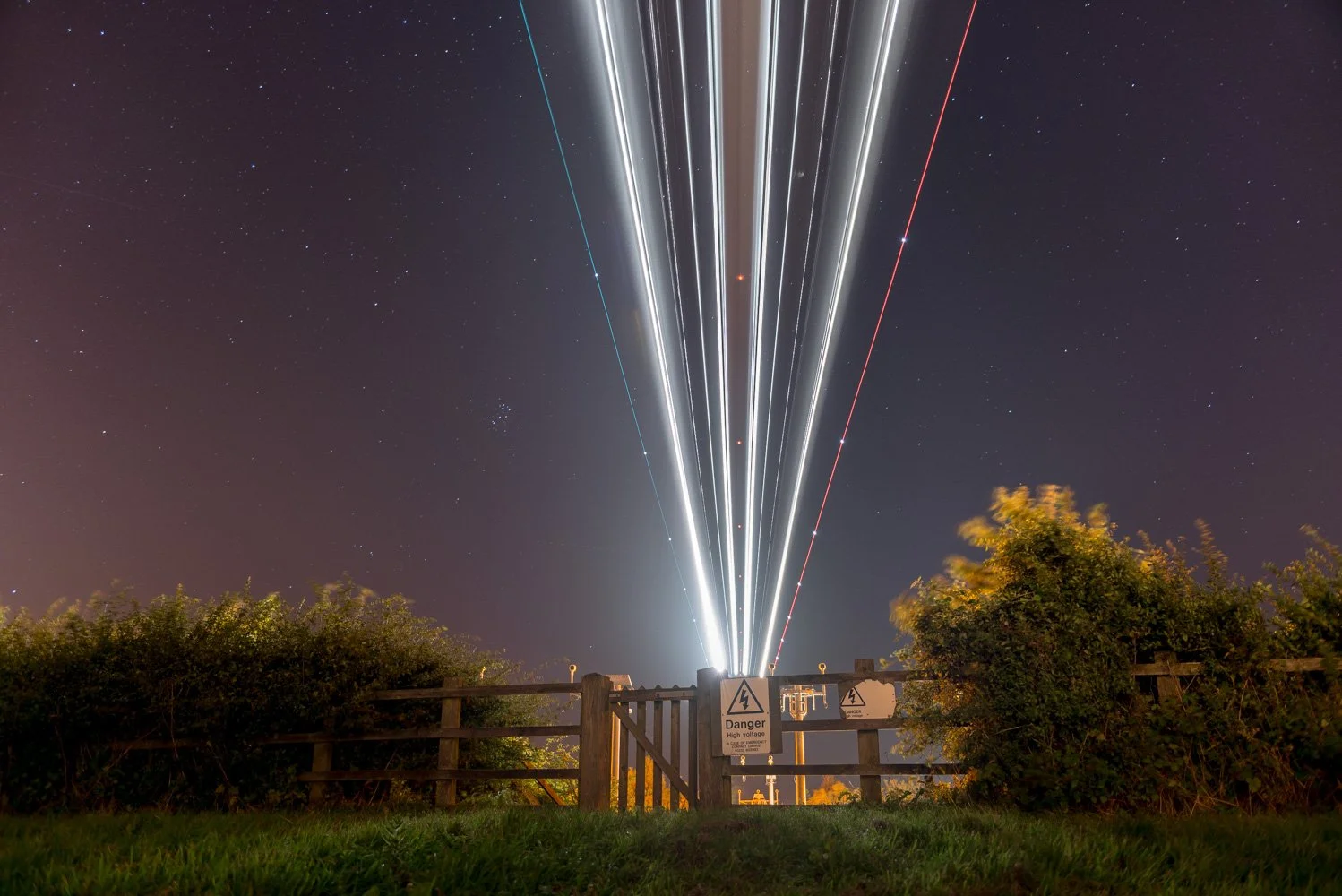
Step 3: Shutter Speed = Movement Control
Want to freeze action? Use faster speeds (1/500+).
Want smooth water or motion blur? Slow it down (1/30 or slower).
Step 4: ISO = Light Rescue
If the photo is too dark after choosing aperture and shutter → increase ISO.
If it’s too bright → lower ISO.
ISO is your “brightness top-up”.
Step 5: Practical Settings to Start With
Here’s a quick cheat list:
Portraits – f/2.8, 1/250, ISO 100–400
Landscapes – f/8, 1/125, ISO 100
Indoor photos – f/2.8, 1/125, ISO 800–1600
Kids running – f/4, 1/1000, ISO as needed
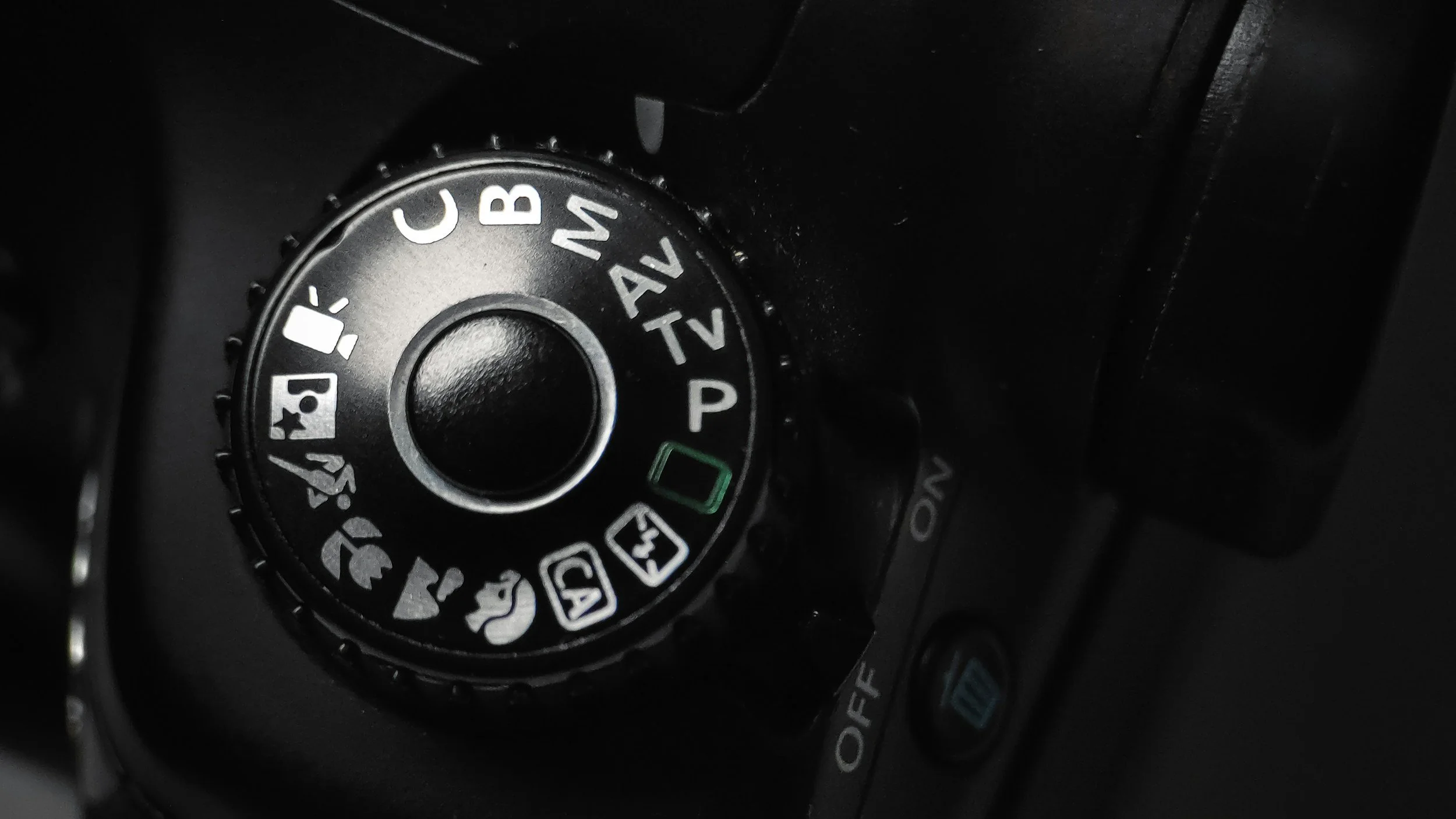
The Fastest Way to Learn Manual Mode
Take 10–15 photos of the same subject changing just one setting at a time.
This forces your brain to see what each decision actually does.
It works every time.
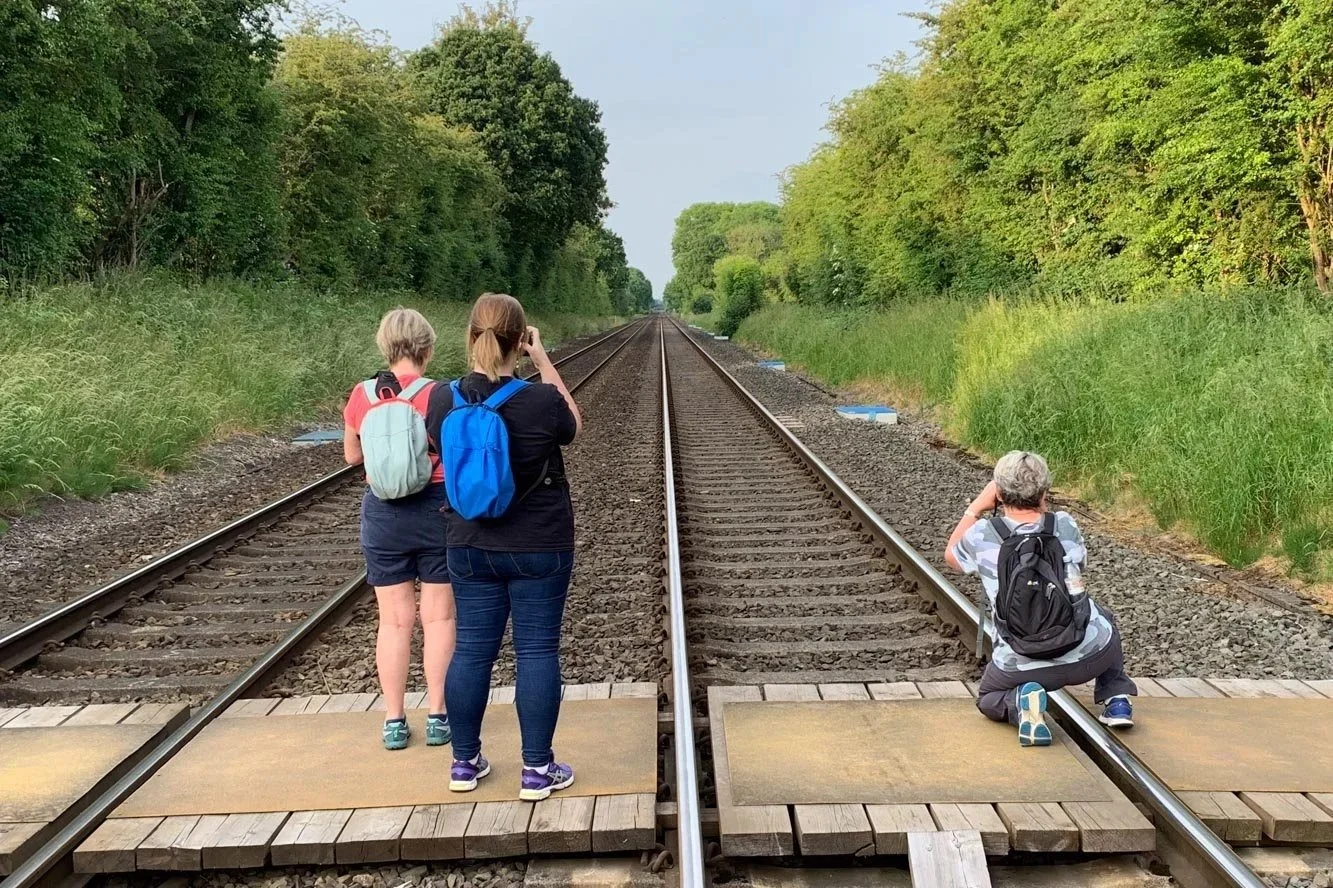
Ready to learn properly?
If you want clear, confidence-building teaching without jargon, take a look at:
👉 PHARTED Photography Courses
👉 Adult Workshops
👉 1:1 Tuition
You don’t need luck to understand your camera — just the right teaching.
Click here to see what photography courses are available.